Recycling for Future Generations
Posted on 02/11/2025
The Importance of Recycling for Future Generations
Recycling has become an increasingly important topic in recent years, as concerns about the environment and the sustainability of our planet continue to grow. For future generations, the benefits of recycling are manifold. It not only conserves resources but also reduces pollution, saves energy, and curtails greenhouse gas emissions. Educating and implementing effective recycling practices now can make a significant difference in the quality of life for those who come after us.
Environmental Benefits
One of the primary reasons for recycling is its positive impact on the environment. Recycling helps to conserve natural resources such as minerals, water, and timber. By reprocessing used materials into new products, we reduce the need for raw material extraction, which often involves harmful processes like mining and deforestation.
A significant environmental benefit of recycling is the reduction of pollution. Manufacturers can produce goods with fewer pollutants if they use recycled materials, leading to cleaner air and water.
Energy Savings
Energy savings are another compelling reason to embrace recycling. The production of new items from raw materials typically requires more energy than using recycled materials. For example, creating aluminum from recycled metal saves up to 95% of the energy compared to making it from bauxite ore. These savings can translate into reduced energy bills and a smaller carbon footprint.
Economic Benefits
The recycling industry generates a significant number of jobs, contributing positively to the economy. From collection and processing to the manufacturing of new products from recycled materials, the economic benefits are substantial. Furthermore, local governments often save money on waste management by investing in comprehensive recycling programs.

Educating Future Generations
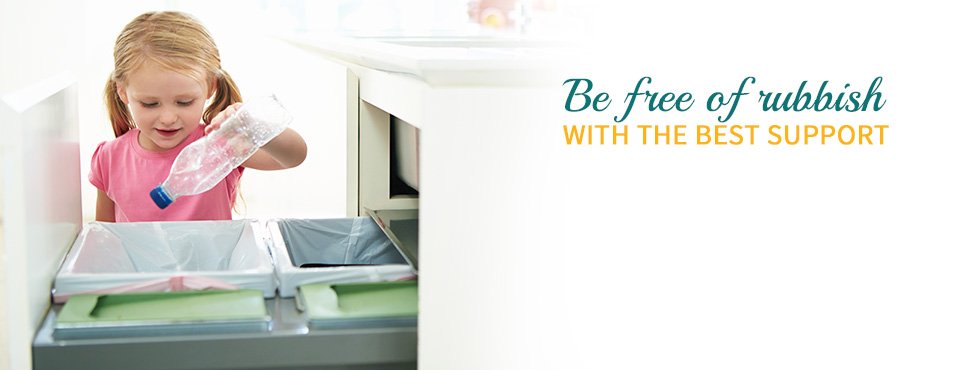
Instilling the values of recycling in the younger generation is crucial for long-term sustainability. Schools and community programs play an essential role in teaching children about the importance of recycling and how they can contribute. Interactive activities, educational materials, and real-life examples can make the concept more relatable and easier to understand.

Innovation in Recycling Technologies
As our reliance on technology grows, so does the waste generated from electronic devices. High-tech recycling facilities and innovative approaches, such as chemical recycling, offer new methods to handle this type of waste efficiently. Adopting advanced technologies can make recycling more effective and less labor-intensive, allowing us to manage waste better than ever before.
Pros and Cons of Recycling
Pros:
- Reduces waste in landfills
- Conserves natural resources
- Lowers energy consumption and greenhouse gas emissions
- Promotes sustainable use of materials
- Creates job opportunities and economic activity
- Can foster innovation in product design and waste management
Cons:
- Initial cost of setting up recycling programs can be high
- Requires effective consumer participation and education
- Not all materials are easily recyclable
- Contamination can lead to ineffective recycling
- Can be labor-intensive and requires ongoing management
Tips for Effective Recycling
- Always check local recycling guidelines.
- Clean and sort recyclable materials before disposal.
- Reduce contamination by rinsing out food containers.
- Use reusable bags, bottles, and containers to minimize waste.
- Support products made from recycled materials.
- Educate your community about the benefits of recycling.
Takeaways
Recycling is crucial for preserving the environment for future generations, conserving resources, reducing pollution, saving energy, and offering economic benefits. Educational efforts, technological innovations, and community involvement are vital components of a successful recycling program. Understanding the pros and cons helps in developing more effective and sustainable recycling practices.
Conclusion
Recycling is more than just a trend--it's a vital practice for ensuring a sustainable future. By committing to recycling, we not only conserve valuable resources but also protect the environment, foster economic growth, and build a foundation for a cleaner, healthier world for future generations. While challenges exist, the long-term benefits far outweigh the drawbacks, making recycling an essential component of any sustainable development strategy. With collective effort and ongoing education, we can make a meaningful impact and secure a greener planet for the generations that follow.
Latest Posts
The Need for Responsible Waste Disposal
Recycling for Future Generations